
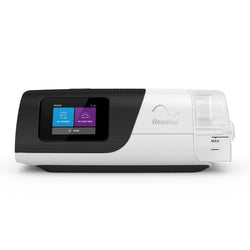

















CPAP machines are the most common treatment method recommended by doctors for patients with obstructive sleep apnea. These devices help patients breathe normally by delivering a continuous stream of pressurized air to their nose and mouth, enabling them to sleep well all night.
Although most CPAP machines operate at considerably low noise levels, they aren't 100% silent; many of them produce a continuous sound while running.
While the sound is rarely loud, some people may still find it disturbing. This is especially true for light sleepers, who may get awakened due to the novelty of CPAP therapy in the initial days, and for those whose bed partners complain about the sound.
But if your CPAP machine seems louder than it should be, another issue might be causing the noise. In such cases, dealing with the underlying problem can help reduce CPAP use to a great extent.
Are CPAP Machines Loud?
Sound is measured in decibels (dB), which represent the intensity or loudness of a sound. Below is a decibel scale with examples of common sounds at each level.
Most CPAP machines produce a sound level between 26-30 dB, which is the sound of a quiet library of a whispered conversation.
|
Decibel Level (dB) |
Example Sound |
| 0 dB | Threshold of hearing |
| 10 dB | Rustling leaves |
| 20 dB | Whispering |
| 30 dB | Quiet library |
| 40 dB | Quiet residential area |
| 50 dB | Light rain |
| 60 dB | Normal conversation |
| 70 dB | Busy traffic |
| 80 dB | Alarm clock |
| 90 dB | Subway train (at a distance) |
| 100 dB | Chainsaw |
| 110 dB | Rock concert |
| 120 dB | Thunder |
| 130 dB | Jet takeoff (at a distance) |
| 140 dB | Fireworks |
| 150 dB | Jet engine at close range |
Why Does My CPAP Make So Much Noise?
A noisy CPAP is unsettling and may disturb sleep. What's causing this unusual sound from your device? Here are some reasons why your CPAP might be making noise:
1. Motor Failure:
With hours of use every night, the motor in your CPAP will eventually degrade and can start to make noises. If your CPAP is reaching the end of its lifespan, motor failure may be the culprit.
2. Older Machines:
Older CPAP machines, especially those over several years old, may produce vibrations and humming sounds. Consider upgrading to newer models designed for quieter operation, with the most silent ones operating between 26-30 dB.
3. Filter Replacement:
Similar to changing your AC filter, replacing your CPAP machine's filter is essential. Accumulated dust in the filter can contribute to increased noise levels. Maintain a consistent filter replacement schedule to prevent this issue.
4. Moisture Build-up:
Excess moisture in the mask and tubing can lead to issues like rainout and gurgling sounds. Proper maintenance to address moisture build-up is crucial to ensure a quieter CPAP experience.
5. Leaks:
Wearing a mask that is too large allows pressurized air to escape, resulting in a whistling sound. Ensure your mask size is appropriate to prevent leaks and minimize noise.
6. Incorrect Mask Fit:
Improperly fitting masks can lead to leaks, disrupting the effectiveness of your CPAP therapy and causing unwanted noise. Strive for a snug yet comfortable fit to avoid these issues.
7. Old CPAP Equipment:
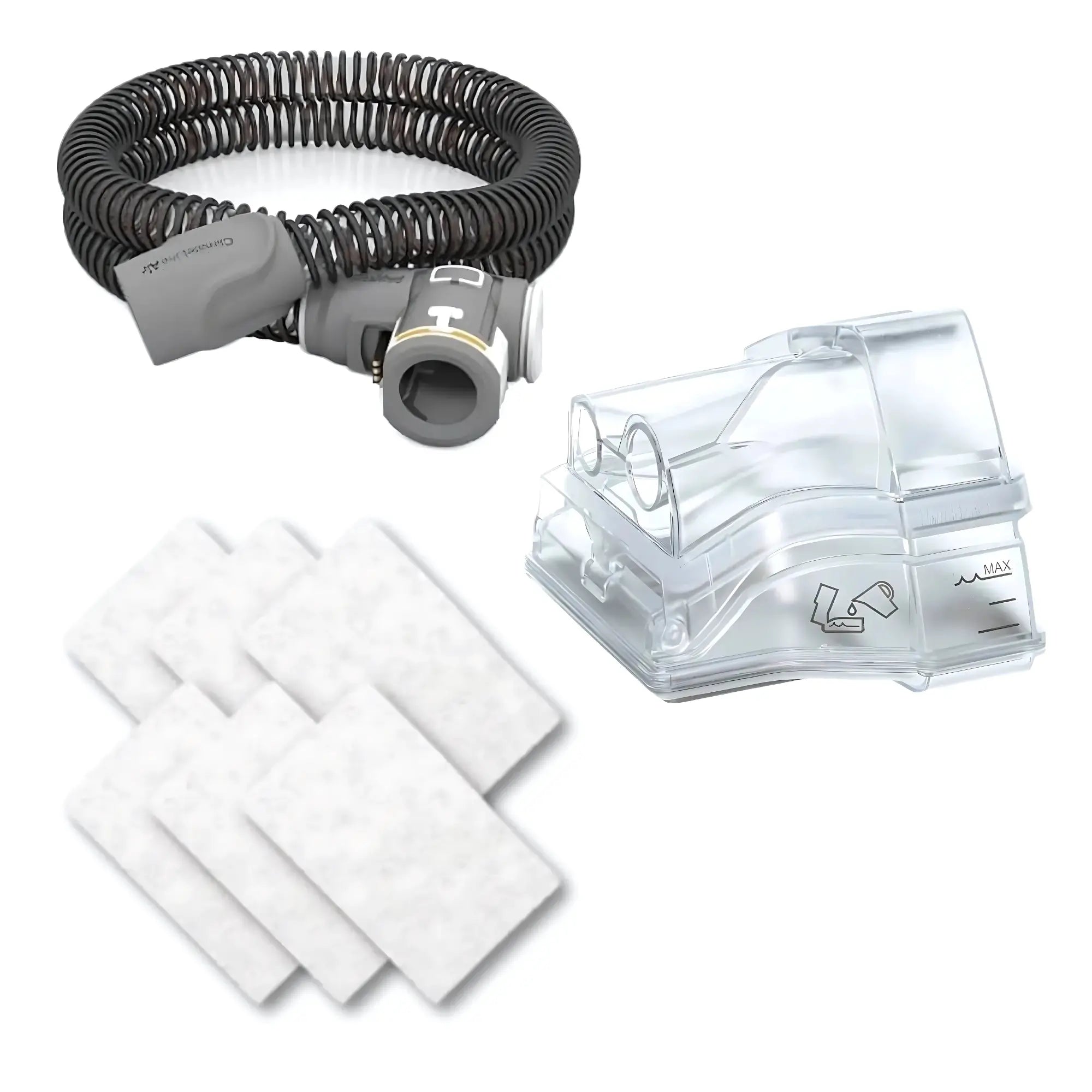
Regular replacement of CPAP supplies is integral for hygiene, effective treatment, and noise reduction. If it's been a while since you last replaced your supplies, especially if you notice signs such as tube stretching, water chamber cracking, or a chipped mask frame, consider updating your CPAP equipment.

Noise Troubleshooting by Symptom
Troubleshooting CPAP noise works best when you identify the specific sound you hear. Each noise points to a different cause, and most can be fixed with a simple adjustment or by replacing a worn component. Use the guide below to pinpoint the issue and apply the right solution.
Noise When Inhaling
Probable causes
- Small leaks around the mask or swivel when inhalation pressure rises.
- Air hitting internal mask structures, especially with nasal pillows.
- Filter partially blocked, forcing the device to work harder to draw in air.
How to identify it
- Noise increases exactly when you breathe in.
- You may feel a small draft around the eyes or cheeks.
- Machine sounds normal when idle but “whooshes” during inhalation.
How to fix it
- Reseat your mask while lying in your usual sleep position.
- Replace a dusty or gray filter and check hose connections.
- Try alternate pillow sizes using the CPAP cushions and nasal pillows replacements to reduce internal resonance.
Gurgling or Bubbling Noise
Probable causes
- Condensation inside the hose or mask (rainout).
- Humidity too high for room temperature.
- Hose positioned with dips that allow water to pool.
How to identify it
- Sloshing or bubbling noises from inside the hose.
- Noise changes when lifting or tilting the tubing.
- Occasional droplets reach the mask.
How to fix it
- Drain and fully dry the hose each morning.
- Reduce humidifier levels gradually.
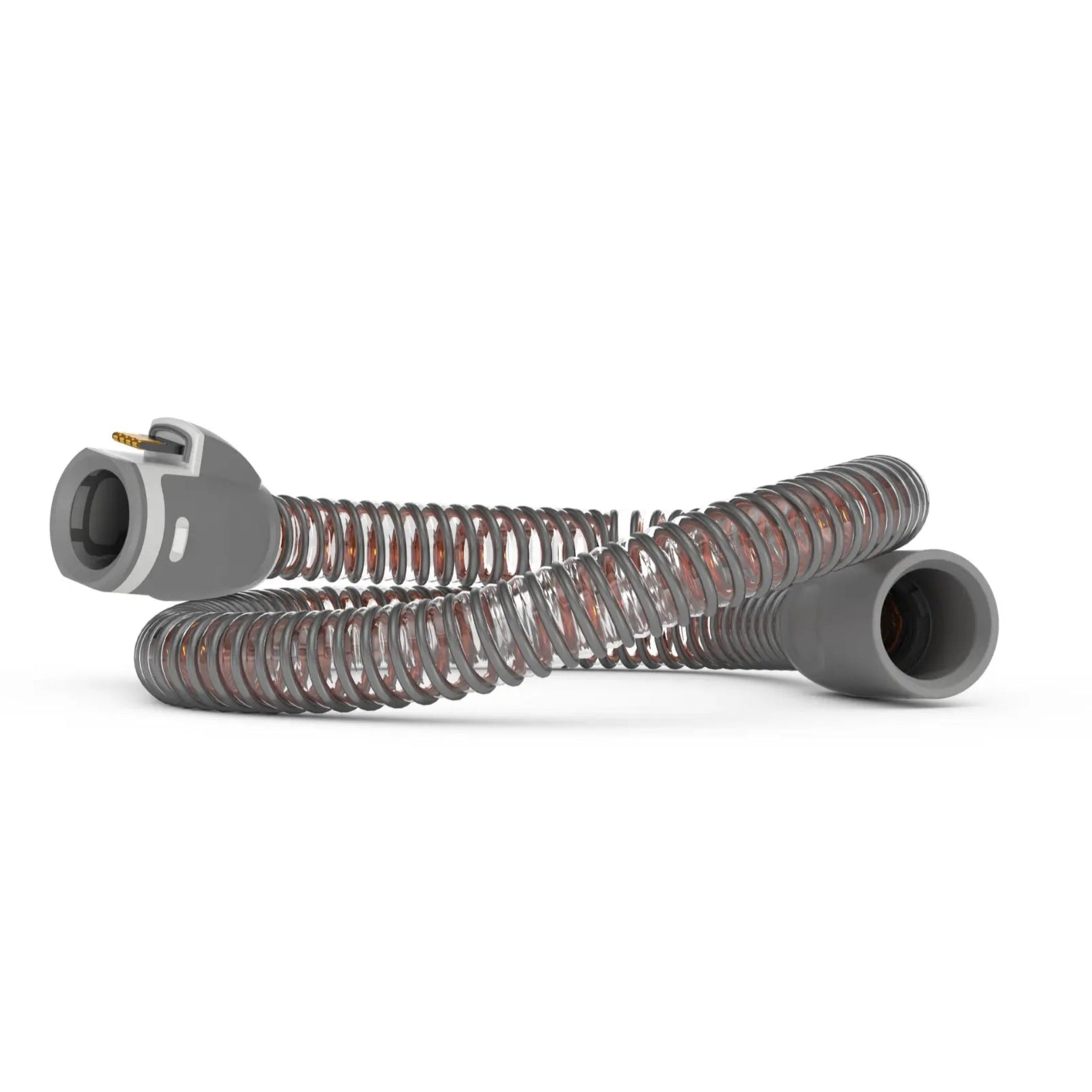
- Use heated tubing such as the ClimateLineAir Heated Tube for AirSense 10 or the ClimateLineAir 11 Heated Hose to stabilize temperature and prevent rainout.
Whistling Noise
Probable causes
- Minor leaks in the mask seal or cushion edges.
- Worn-out cushions or stretched headgear.
- Hose or swivel connection not fully locked in place.
How to identify it
- High-pitched tone that changes when pressing gently on the mask.
- Sound comes from one specific area.
- Slight strap adjustment alters the pitch.
How to fix it
- Locate leaks by running fingers around the mask with the CPAP running.
- Replace worn cushions using the CPAP cushion and pillow replacements collection.
- Clean sealing surfaces with alcohol-free CPAP cleaning wipes to maintain proper adhesion.
Popping or Clicking Sounds
Probable causes
- Water chamber not fully seated in the device.
- Small air bubbles in the humidifier.
- Plastic expanding or shifting as it warms.
How to identify it
- Short, sharp pops from the machine body.
- Louder during startup or after refilling the chamber.
- Pressing gently on the chamber changes the sound.
How to fix it
- Remove and firmly reseat the water chamber.
- Avoid filling above the max line.
- Replace warped chambers using the HumidAir Standard Chamber for AirSense 10 or the AirSense 11 Water Chamber.
- Keep the machine on a stable, flat surface.
High-Pitched Whine or Motor Noise
Probable causes
- Filter clogged or restricted airflow.
- Natural motor aging after years of use.
- Pressure settings increased compared to initial therapy.
How to identify it
- Persistent, high-pitched tone.
- Louder at the device, not at the mask.
- Gets worse gradually over months.
How to fix it
- Replace the filter regularly and keep the air intake clear.
- Confirm recent pressure changes with your provider if the machine feels stronger.
- If the machine is older and noise keeps increasing, consider service or replacement.
Loud Airflow Echo or “Hollow” Breathing Sound
Probable causes
- Air resonating inside nasal pillows or small nasal masks.
- Hose routed too close to the ears or rubbing on surfaces.
- Quiet room amplifies normal airflow sounds.
How to identify it
- Most of the noise is your own breathing.
- Sound feels “internal,” not external.
- Changes depending on sleeping position.
How to fix it
- Try alternative nasal pillow sizes using replacement pillow cushions.
- Route the hose away from nightstands or headboards.
- Use a hose cover to soften vibration.
- Light background noise (fan, white noise) can mask natural airflow sounds.
Noise Only at Night or Only During Startup
Probable causes
- Room temperature drops at night, causing condensation.
- Humidifier adjusting during warm-up.
- Hose shifting while you sleep.
How to identify it
- Machine sounds normal during the day.
- Noise appears only after sleeping or when the room cools.
- Worse in colder months.
How to fix it
- Use heated tubing: ClimateLineAir AirSense 10 Heated Tube or ClimateLineAir 11 Heated Tube
- Place the CPAP slightly below bed height, not on the floor.
- Adjust humidity one step at a time to reduce condensation.
- Secure hose routing before sleep.
11 Noise Reduction Tips For Your CPAP Machine
Addressing the noise from your CPAP machine is important not only because it enhances your comfort but also because there might be something wrong. This, in turn, can mean that you are not getting the full benefit of your sleep therapy and will lead to inconsistent usage.
Here are 11 expert tips to reduce the noise from your CPAP:
1. Ensure Your CPAP Mask Is Properly Fitted And Adjusted
Sometimes, the noise does not come from the CPAP machine but from the mask. Your CPAP mask should be compatible with your device and properly fitted to your face. As a pro tip, fit your CPAP mask while lying in your usual sleeping position for higher accuracy.
2. Make Sure Your Mask is The Right Size
Proper mask and cushion sizing allow for a comfortable and leak-free experience. Adjust your headgear straps evenly without over-tightening them, which can lead to mask leaks and face marks. If necessary, get in touch with our sleep specialists.
3. Keep the Machine Below Ear Level
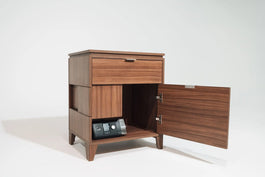
Another simple method to reduce the noise from your CPAP device is to place it below your ear level so that the noise doesn't reach your ears directly. We don't recommend keeping your device on the floor or carpet, as it can block the normal airflow of the machine. Instead, you can put it on a low table or stool that keeps it below your bed level. Take a look at our recommended nightstands for CPAP machines.
4. Adjust the Water Level in The Humidifier
If your machine has a built-in CPAP humidifier and produces bubbly noises when you use it, the sound is probably due to a humidification issue. Check the water level in the reservoir and the humidity setting, as both can affect your CPAP machine's noise level.

HumidAir Water Chamber for AirSense 11 & AirCurve 11
 ResMed AirSense 11 AutoSet CPAP Machine
 ResMed AirCurve 11 VAuto with HumidAir
5. Use a Heated Hose
If your CPAP machine supports it, consider using a heated hose. Heated hoses can reduce condensation buildup, which may contribute to noise.
6. Use Earplugs & Sleep Mask
Earplugs are an easy, affordable, and effective way to block out sounds that could otherwise interfere with your sleep, like CPAP machine noise or your partner's snoring. When paired with a sleep mask, it can enhance the overall quality of sleep by effectively blocking out light and promoting deeper sleep.
7. Use a White Noise Machine
White noise contains all frequencies across the audible sound spectrum in equal measure. White noise is similar to the sound of a vacuum humming or a running fan.
This consistency helps mask background noises that may otherwise disrupt sleep. Many individuals find that the neutral and consistent sound of white noise provides a soothing ambiance conducive to improved sleep. Incorporating a white noise machine into your sleep routine can be a valuable strategy, especially for mitigating the noise emitted by a CPAP machine, thus promoting a quieter and more restful sleep environment.
8. Invest in a Quieter CPAP Machine
Newer models are equipped with quieter motors and improved noise reduction features. If your current machine is excessively noisy, consider upgrading to a quieter model. The quietest CPAP machines deliver therapy at 30 decibels or less.
9. Change CPAP Filters Regularly
A fresh filter change can improve the performance of your CPAP machine and reduce the noise level by keeping dust and dirt out of your machine’s motors. The more dirt caught in the motor, the louder it will run, so keeping the filter nice and clean will go a long way! Plus, changing the filter will prolong the lifespan of your device and provide healthier therapy.
10. Place an Anti-Vibration Pad Under Your CPAP Machine
Place anti-vibration pads under your CPAP machine to absorb any vibrations that might be transmitted to the surface it's resting on. This can be particularly helpful if your machine is on a nightstand or bedside table. A towel or foam pad also works.
11. Explore Customized Settings
Familiarize yourself with the settings on your CPAP machine. Some machines have adjustable settings for ramp time, pressure levels, and other variables. Experimenting with these settings may help you find a combination that minimizes noise without compromising therapy.
Quietest CPAP Machines
Whether you’re looking for a CPAP machine for travel or home use, we’ve compiled a list of the quietest CPAP machines available, delivering therapy at 30 decibels or less.
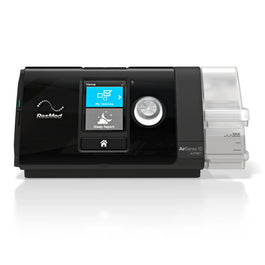
ResMed AirSense 10 AutoSet CPAP Machine with HumidAir Heated Humidifier
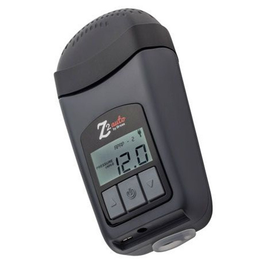
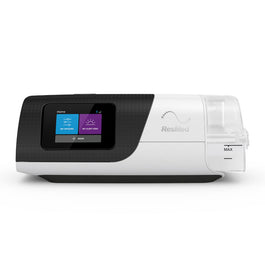
ResMed AirSense 11 AutoSet CPAP Machine

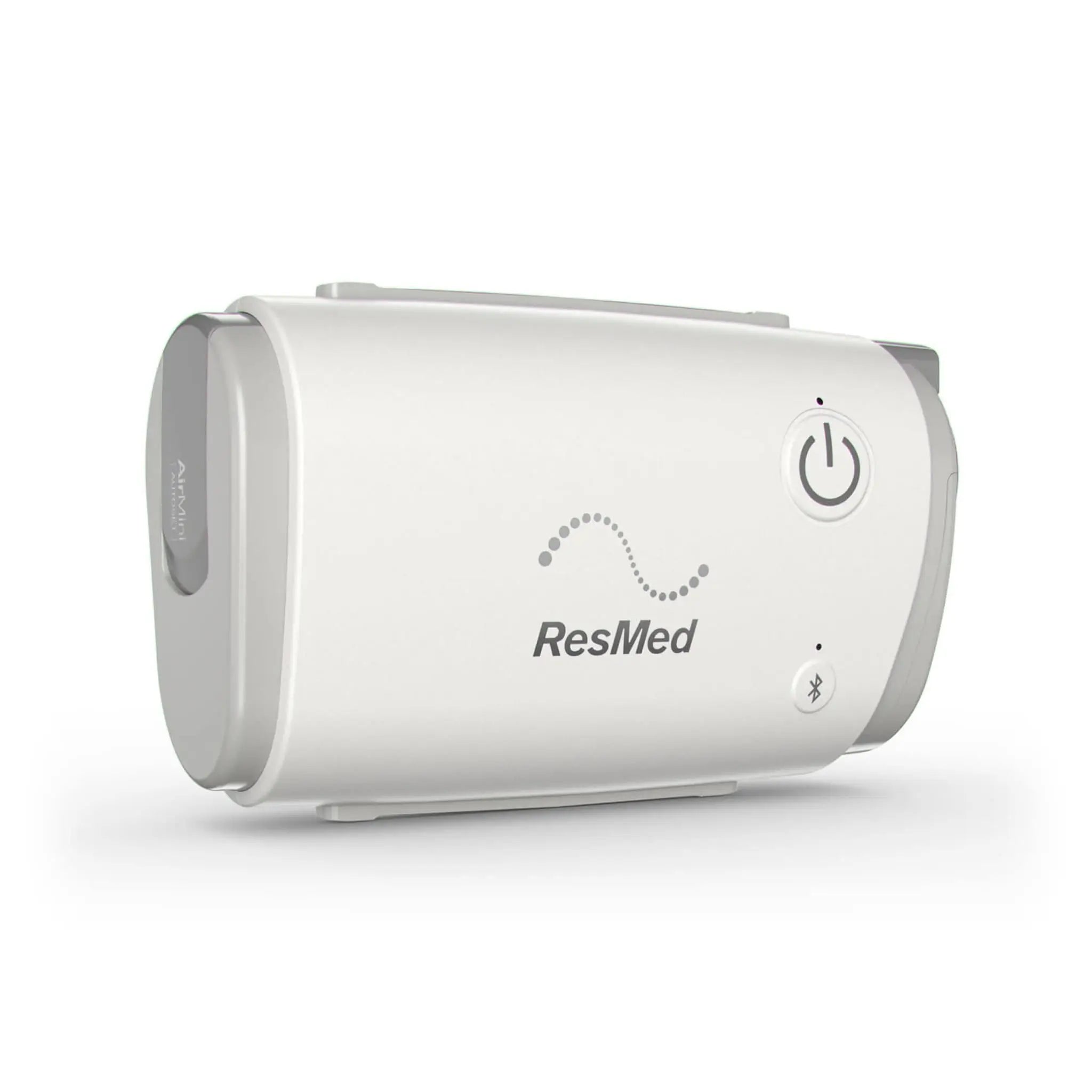
ResMed AirMini AutoSet Travel CPAP Machine
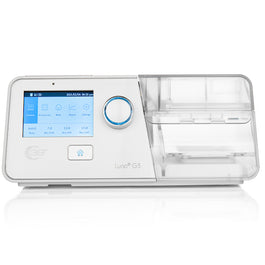
Luna G3 25A BiPAP Machine React Health
|
CPAP Machine Model |
Decibel Level (dBA) |
|
26.6 |
|
|
|
26 |
|
27 |
|
|
30 |
|
|
30 |
Final Thoughts
While everyone may perceive sound differently, finding a CPAP machine with minimal noise is possible, ensuring both you and your partner a quieter and more restful sleep environment. Implement our suggestions for quieter operation, or consider upgrading to one of the market's most noise-efficient CPAP machines.
For those navigating the selection process for their initial or subsequent CPAP machine, our CPAP experts are available to answer any questions and guide you in choosing the right CPAP device for your needs.
Remember, the CPAP therapy journey includes some trial and error, but when you find what works for you, you'll be able to maintain consistency and reap the benefits of sleep apnea therapy.
When To Contact Your Provider
| Sign | What It Means | Action |
|---|---|---|
| Burning or Strange Smell | Possible overheating or internal component damage. | Unplug and stop using the device until inspected. |
| Strong Vibration or Internal Rattling | Motor wear or loose internal parts. | Contact your provider for evaluation. |
| Noise Getting Louder Over Time | Motor fatigue or airflow resistance increasing. | Have the device checked or serviced. |
| Airflow Suddenly Too Strong or Unstable | Possible sensor or pressure-control malfunction. | Report the issue and pause use until reviewed. |
| New Noise + Error Messages | Device detecting internal malfunction. | Seek professional support promptly. |
| Unexpected Power Changes | Electrical or power-supply issue. | Stop using the machine until checked. |
Is It Time to Replace Your Machine?
Some CPAP noises are normal, but certain changes suggest the device may be reaching the end of its usable life. If you notice any of the signs below, it might be time to consider a replacement evaluation.
- Motor fatigue: The machine sounds progressively louder or develops a deeper, uneven hum.
- Internal vibration: A faint rattle or shaking sensation coming from inside the unit.
- Shifts in pitch or tone: Whining, high-pitched airflow, or irregular sound patterns that weren’t there before.
- Sudden increase in noise level: The device becomes noticeably louder from one week to the next, even with a clean filter.
- Unusual smells: Warm, metallic, or “electrical” odors during use.
- Startup issues: Delayed power-up, unexpected shutdowns, or pressure delivery that feels inconsistent.
FAQs
Why does my CPAP make noise when I inhale?
Inhaling can create pressure shifts that amplify internal airflow sounds, especially if the mask seal isn’t tight or the filter is partially blocked. Re-seating the mask, checking the filter, and inspecting the hose connection usually reduces the breathing noise.
Why is my CPAP gurgling at night?
Gurgling happens when condensation collects inside the hose or humidifier. Lowering humidity settings, using a heated tube, or keeping the machine slightly lower than the mattress helps prevent water buildup.
Why does my CPAP hose make a bubbling noise?
Bubbling indicates water pooling inside the tubing, usually from excess humidity or a cold room. Emptying the hose, raising tube temperature, or adjusting humidity fixes the issue.
Why is my ResMed AirSense 11 loud when inhaling?
The AirSense 11 may sound louder during inhalation if the mask seal is loose, if the filter is dirty, or if internal moisture affects airflow. Checking for leaks and replacing the filter typically reduces the breathing noise.
Why is my CPAP machine whistling?
A whistling sound usually comes from air escaping through small gaps in the mask, swivel, or hose. Repositioning the mask, replacing worn cushions, or checking hose connections usually stops the noise.
Why does my CPAP make a popping or clicking sound?
Popping sounds often indicate pressure changes inside the humidifier or hose, usually from condensation or plastic parts expanding with heat. Emptying the condensation and ensuring the water chamber is properly seated usually resolves it.
Why can I hear myself breathing through my CPAP?
This happens when airflow amplifies inside the mask or tube, especially with nasal pillows. Adjusting the mask fit, lowering humidity, or switching to a quieter mask style can reduce the echo effect.
Is it normal for a CPAP to be loud?
Most modern CPAPs operate between 26–30 dB, which is similar to a quiet room. If the noise is noticeably louder, it often signals leaks, excess moisture, or worn-out supplies.
Why is my CPAP suddenly louder than usual?
A sudden increase in noise is usually caused by a dirty filter, a loose mask seal, hose damage, or condensation in the tube. Replacing the filter and checking all connections typically brings the sound level back down.
Should my CPAP machine be lower than my bed?
Yes. Keeping the CPAP slightly below mattress height helps direct noise away from the ears and reduces condensation in the tubing. A low table or shelf works well, but avoid placing the machine directly on the floor.

Gabriela Alvarado
20 Jun 2025•14 min read
