

















Traveling with sleep apnea used to require hauling heavy equipment, but 2026 devices are dramatically more portable and efficient. Modern travel CPAP machines are now palm-sized, battery-friendly, and fully FAA-compliant for stress-free flying. Keeping your therapy consistent matters for your health, even when you are thousands of miles away from home.
Here are the top-rated machines for travelers this year:
-
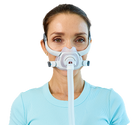
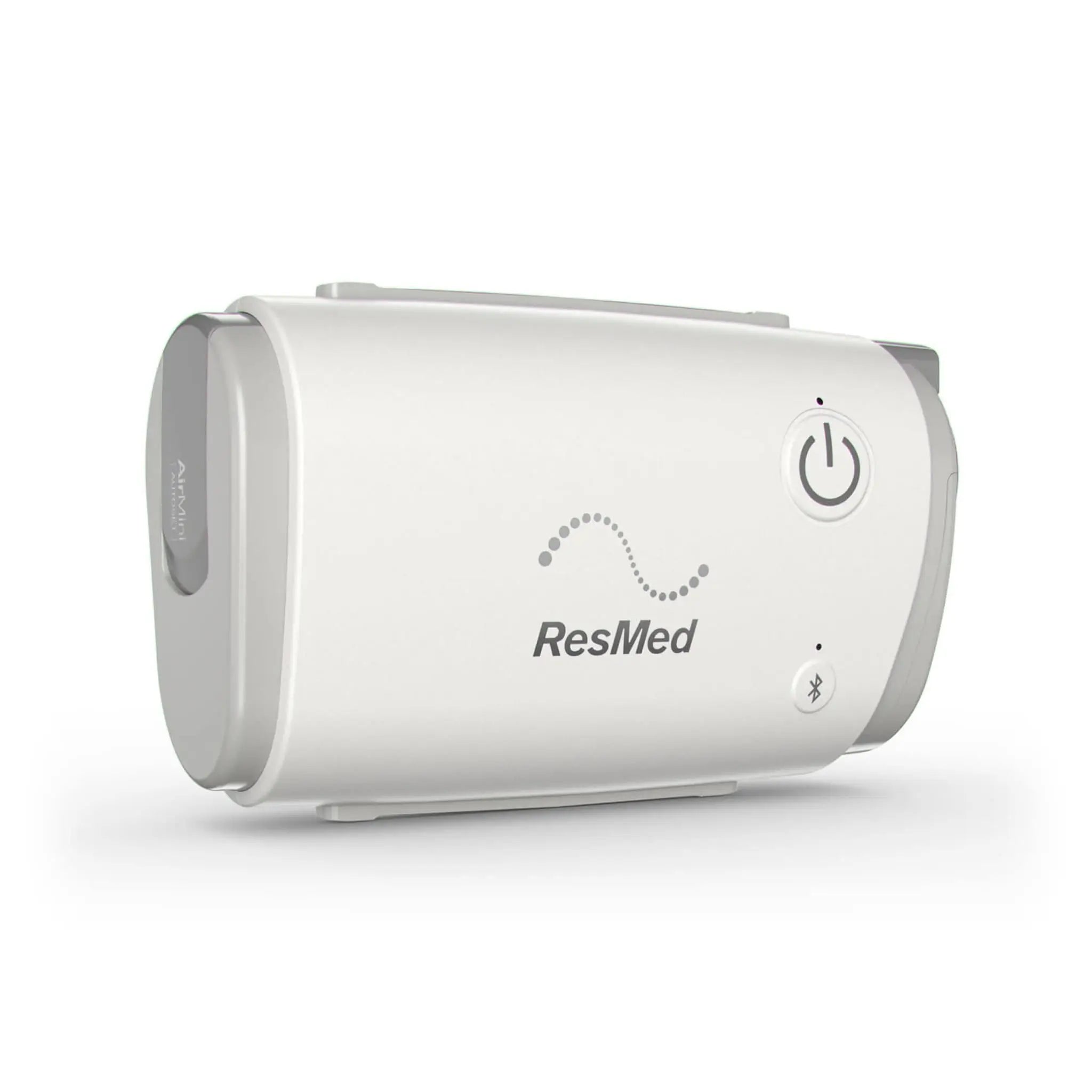
ResMed AirMini AutoSet: Best Overall Travel CPAP due to its proven algorithms and waterless humidification.
-
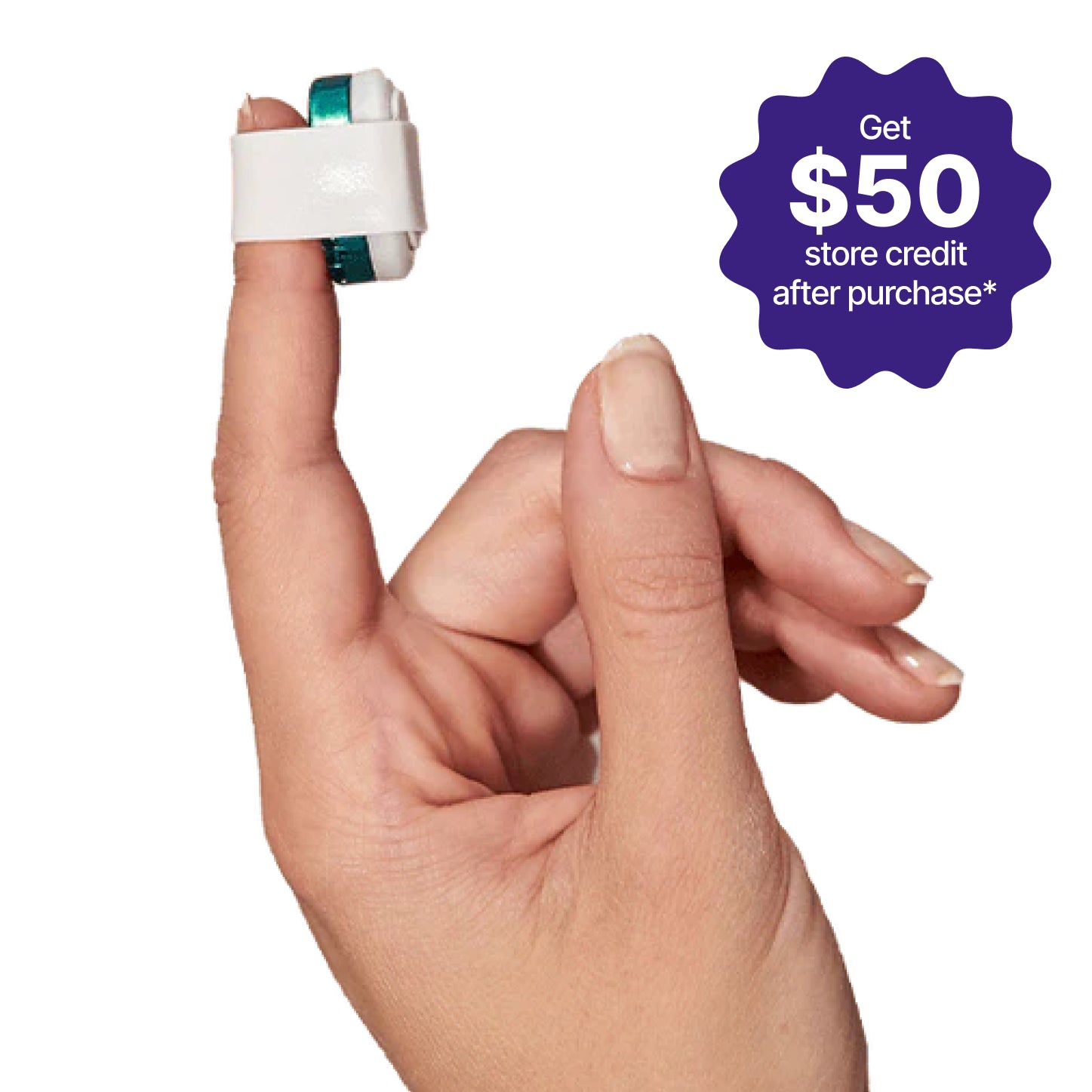
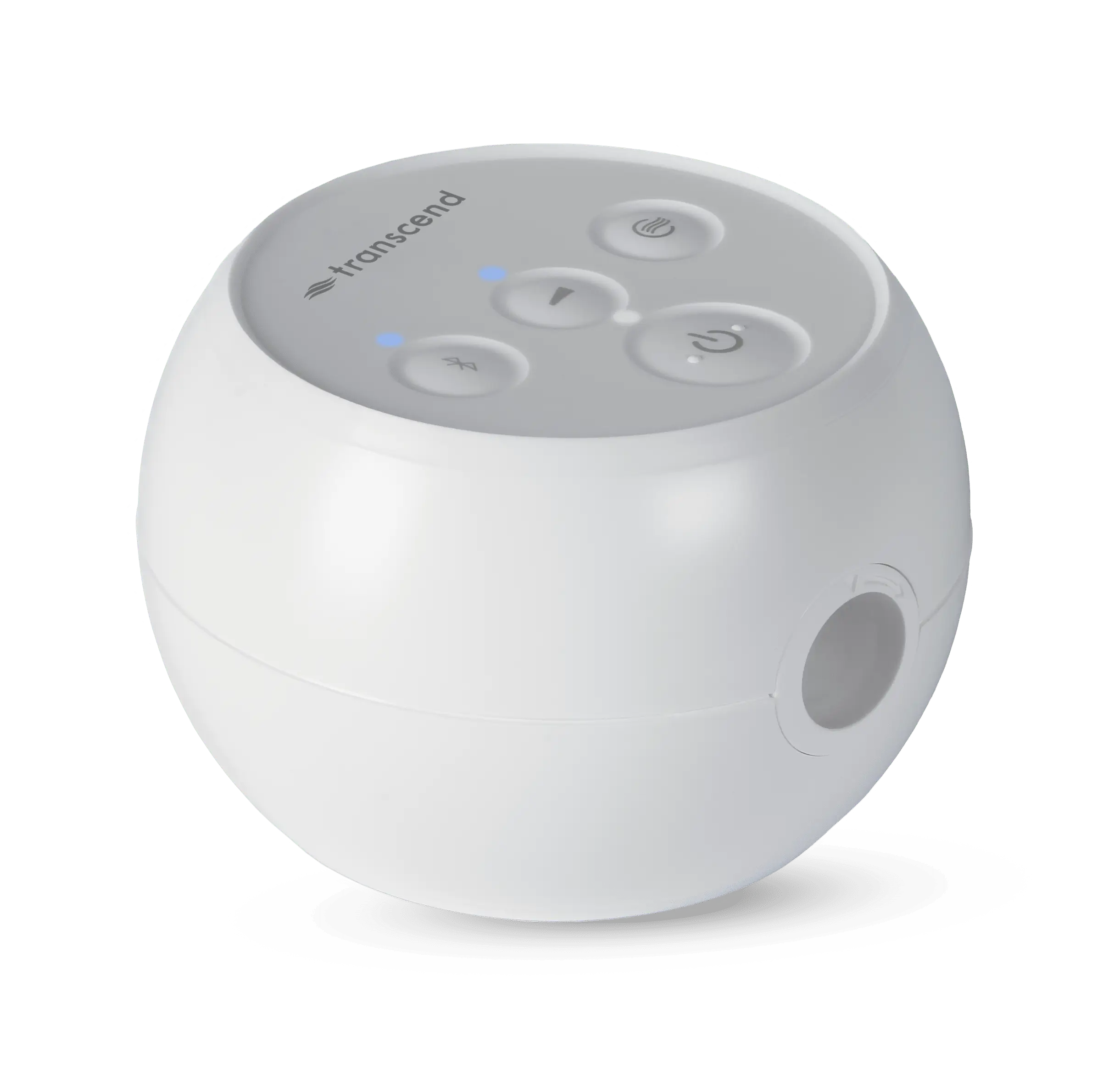
Transcend Micro: Smallest & Lightest CPAP of 2026, ideal for backpackers and minimalists.
-
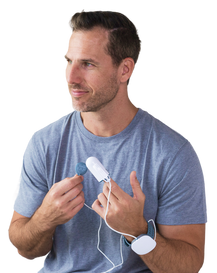
Luna TravelPAP: Best Travel Versatility for those needing a hybrid device.
-
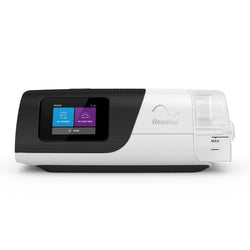
ResMed AirSense 11 AutoSet: Best Full-Size Machine Used for Travel. While not a dedicated travel unit, many travelers choose it for its slim profile and full humidification capabilities.
Consistency is the most important factor in sleep apnea treatment. Clinical research shows that consistent CPAP use improves symptoms, comfort, and long-term adherence (Ayas et al.). This makes a reliable, portable machine essential for maintaining your therapy while traveling. You can read more about adherence benefits in this Cleveland Clinic overview.
To compare all travel-ready machines, visit our Travel CPAP Machines Collection, or review our guide on How to Choose the Best CPAP Machine for a deeper understanding of key features.

Quick Comparison Table
Compare the top portable CPAP devices of 2026 side-by-side to find the perfect fit for your travel needs.
|
Machine |
Best For |
Type |
Noise Level |
Pressure Range |
Weight |
Price |
|
Best Overall |
Auto-CPAP |
~29 dBA |
4–20 cm H₂O |
0.66 lb |
$919 |
|
|
Smallest & Lightest |
Auto-CPAP |
~27 dBA |
4–20 cm H₂O |
0.48 lb |
$779 |
|
|
Travel Versatility |
CPAP / Auto-CPAP |
<30 dBA |
4–20 cm H₂O |
0.88 lb |
$825 |
|
|
Dual-Use (Home & Travel) |
Auto-CPAP |
~27 dBA |
4–20 cm H₂O |
2.5 lb |
$1,405.60 |
Best Travel CPAP Machines of 2026
1. Best Overall: ResMed AirMini AutoSet
The ResMed AirMini AutoSet remains the undisputed champion of travel CPAP machines in 2026. It stands out by packing the same clinically proven AutoSet algorithm found in larger bedside units into the smallest footprint in its class. Its long-established reliability and unique waterless humidification system make it the top choice for frequent flyers and minimalist packers alike.

ResMed AirMini AutoSet Travel CPAP Machine
For travelers, the benefits are clear. The device is incredibly small, fully FAA-approved for in-flight use, and features automatic altitude compensation for mountain trips. Its HumidX modules provide effective humidification without needing distilled water. The AirMini App adds another layer of convenience, offering Bluetooth control and detailed therapy monitoring right from your smartphone. Planning to fly? Download the official ResMed AirMini FAA Compliance Letter to present to airline staff if requested.
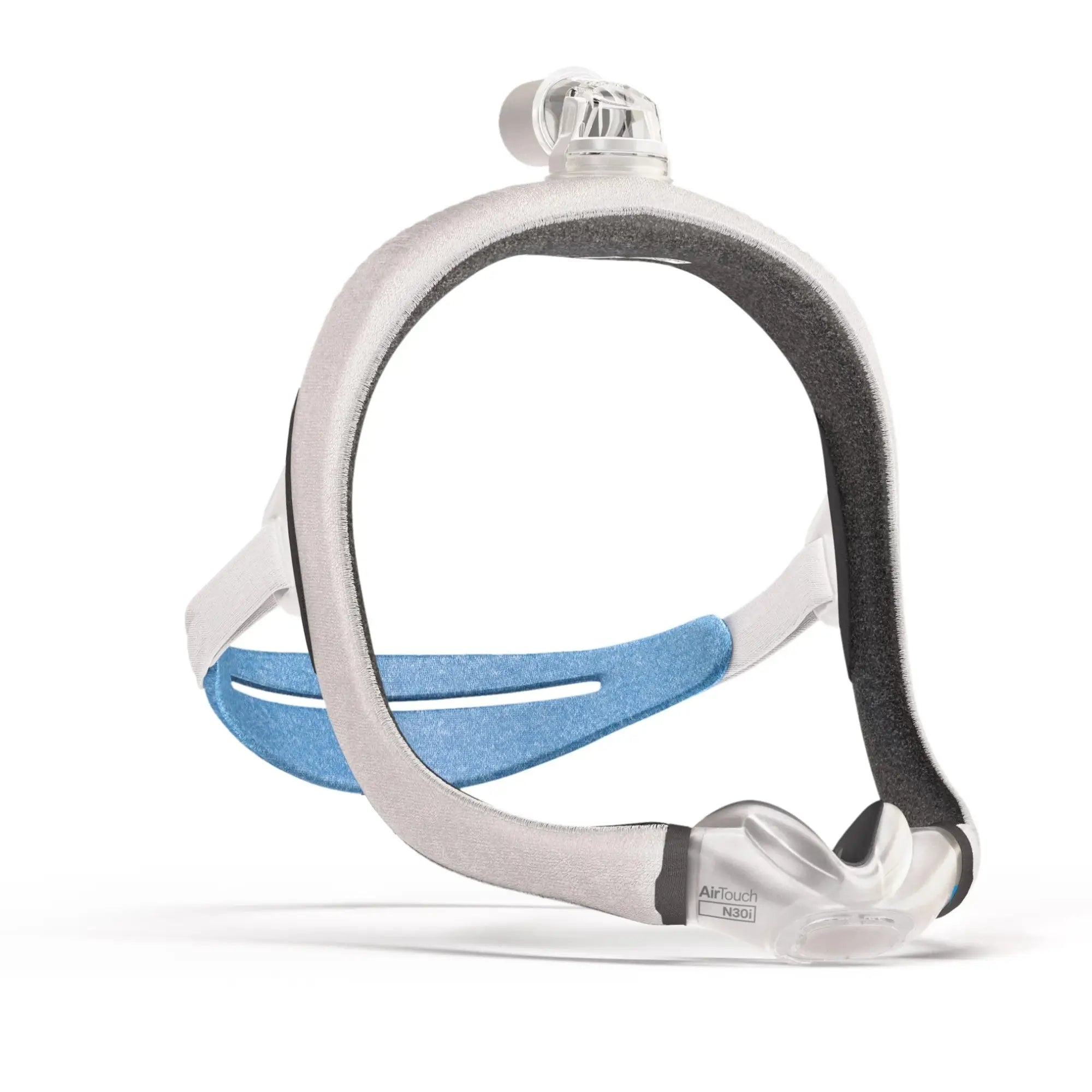
One key consideration is mask compatibility. The AirMini is designed to work seamlessly with specific ResMed masks, including the AirFit F20, AirTouch F20, and the AirFit F30. Dedicated setup packs are available for the AirFit N30 and the P10. To use third-party masks, adapters like the Snugell AirMini Hose Connector or the Snugell AirMini Pro Hose Connector are essential. It utilizes HumidX cartridges like the HumidX Standard or HumidX Plus for nasal masks, and specialized cartridges for full-face masks, such as the HumidX F20.
The AirMini operates on a 20W AC supply and does not have an internal battery, so an external battery solution is required for camping. This machine is ideal for travelers who want maximum portability combined with proven AutoSet functionality and minimal maintenance. As noted in a study by Ayas et al. (2006), adherence improves significantly when therapy is convenient and comfortable, making the AirMini a smart investment for consistent health.
See full AirMini specifications here.
2. Smallest CPAP Machine: Transcend Micro Auto-CPAP
The Transcend Micro holds the title for the smallest and lightest travel CPAP of 2026. Weighing less than half a pound, it is a marvel of engineering that offers universal mask compatibility and a modernized feature set, including a specialized drying mode and optional Heat Moisture Exchange (HME) technology.
Its travel-specific advantages are hard to beat: a featherlight 0.48 lb body, an ultra-small cube design, and an adjustable ramp for comfort. It is fully airline-approved and, unlike some competitors, it works with any standard 22 mm mask, giving you complete freedom of choice. Ensure a hassle-free airport experience by carrying a copy of the Transcend Micro FAA Compliance Letter in your travel bag.
The device is compatible with Transcend’s travel battery solutions for off-grid use. It is the perfect match for minimalist travelers, backpackers, and anyone who wants maximum portability without sacrificing performance. Research by Farré, Gozal & Montserrat (2021) highlights that auto-adjusting devices help maintain comfort and adherence to sleep schedules as sleep conditions change, ensuring the Micro keeps you rested wherever you roam.
See full Transcend Micro specifications here.
3. Best Versatile Travel Pick: Luna TravelPAP
The Luna TravelPAP earns its spot as the most versatile travel CPAP due to its blend of standard mask compatibility, a simple user interface, low noise operation, and robust Auto CPAP mode. It strikes a balance between portability and familiar home-style therapy.
Travelers will appreciate its compact size and lightweight body, along with features like HME compatibility and automatic altitude compensation. It also supports an optional DC car/RV adapter and integrates with the LightTrip app for easy data tracking. Before your flight, download the official Luna TravelPAP Airline Travel Document from React Health to present at security or to flight staff.
A major advantage is its compatibility with any standard 22 mm mask, making it incredibly simple for travelers who want to use their existing mask from home. While it lacks an internal battery, it runs reliably on AC power or travel power via an optional DC adapter. This machine is ideal for users wanting travel portability without giving up standard mask compatibility and familiar CPAP workflows. According to Lankford et al. (2005), pressure requirements often change with physiology or environment, making auto-adjusting travel devices like the Luna TravelPAP highly beneficial.
See full Luna TravelPAP specifications here.
4. Best Full-Size Machine Used for Travel: ResMed AirSense 11 AutoSet
While the ResMed AirSense 11 AutoSet is not strictly a travel CPAP, it is a top choice for many travelers who refuse to compromise on full-size capabilities. It offers a robust heated humidifier, a responsive touchscreen, and the same advanced algorithms found in your bedroom, making it worth the extra space in your luggage.
Its travel benefits include FAA compliance and automatic altitude compensation. Though larger than mini units, it is relatively compact for a full-size machine and fits well in optional travel cases. It also features advanced comfort settings like AutoRamp and Expiratory Pressure Relief (EPR).
Because it uses standard tubing, it works with all standard CPAP masks, allowing travelers to pack what they already know and trust. It runs on standard AC power (100–240V). This machine is the go-to for users who want maximum comfort and features, even while traveling, and do not mind carrying a slightly larger device. As discussed by Javaheri & Dempsey (2013), optimal pressure delivery and comfort are key to improving long-term tolerance, a critical factor for travelers maintaining their health on the road.
See full AirSense 11 specifications here.
How We Selected the Best Travel CPAP Machines (Methodology)
We evaluated all current travel-ready CPAP machines using technical, clinical, and portability-focused criteria to identify the most reliable options for 2026.
1. Weight & Portability
For most users, weight is the deciding factor. We looked at the numbers, comparing the ultra-lightweight Transcend Micro at roughly 0.48 lb against full-size units like the AirSense 11 at 2.5 lb. This difference defines whether your portable CPAP machine slides easily into a carry-on or requires its own bag, impacting your experience in hotels, RVs, and overhead bins. We prioritized the lightest travel CPAP options that don't sacrifice performance.
2. Noise Level (dBA)
Travel units rely on smaller motors, which can sometimes change the pitch of the sound even if the decibels are low. We looked for devices falling within the standard 26 to 30 dBA range. For instance, the Transcend Micro achieves a comfortable ~27 dBA when paired with its muffler. Finding the quietest travel CPAP helps ensure you and your neighbors sleep soundly, regardless of the CPAP noise level.
3. Pressure Performance & Auto-Adjusting Algorithms
All four selected devices operate across the standard 4 to 20 cmH₂O range, ensuring they cover therapeutic needs just like a home unit. We prioritized devices with APAP modes because they adapt more effectively to changing travel variables such as altitude, sleep position, or unfamiliar hotel pillows. As noted in research by Ayas et al. (2006), adherence improves significantly when pressure is effectively titrated and comfort increases, making these adaptive algorithms crucial for successful travel.
4. FAA Compliance & Travel Readiness
Every machine we selected is an FAA-approved CPAP for travel, meaning you are legally permitted to use it during flights. This compliance is vital for long-haul trips or overnight red eyes where skipping therapy isn't an option. We also looked for automatic altitude compensation, a key benefit that keeps your pressure accurate whether you are flying or sleeping in the mountains.
5. Mask Compatibility
Most travel CPAPs like the Transcend and Luna use a standard 22 mm connection, giving you freedom of choice. However, we also considered the ResMed AirMini, which requires specific setups, a major decision factor for many. If you're comparing mask options, here’s a full list of travel-friendly CPAP masks that work well with compact devices and maintain a solid seal at varying pressure ranges.
6. Humidification Options (Waterless vs. Heated)
Carrying distilled water is a hassle, so we prioritized machines offering HME waterless humidification options like AirMini HumidX or Transcend AirMist. Dedicated travel units rarely include full heated tanks due to size constraints, which is exactly why some travelers still prefer the bulkier AirSense 11. We evaluated how effective the travel CPAP humidifier systems were at preventing dryness without the mess.
7. Battery Availability
Most ultra-portable units do not have internal batteries, making external power sources essential for camping or flights with unreliable outlets. Your decision often depends heavily on CPAP battery life requirements for long-haul trips. For off-grid nights or long flights, consider adding portable CPAP batteries to your setup to ensure your CPAP battery for travel doesn't leave you stranded.
8. Durability & Build Quality
Travel devices face rough handling in airports, hotels, and backpacks, so casing integrity was a major part of our rubric. We examined filter accessibility and manufacturer reliability records to ensure longevity. Choosing a durable travel CPAP is essential because a reliable portable CPAP machine needs to withstand the bumps of the road while delivering consistent therapy.
9. Cross-Referencing Discontinued Machines
Our methodology strictly excludes machines that are no longer supported or have been removed from the market to ensure you are buying current technology. For a look at older models we no longer recommend, you can check our list of discontinued CPAP machines.
Expert Travel Tips (Flying & Camping)
1. Flying with a CPAP (TSA & FAA Rules)
Flying with sleep apnea equipment is much easier than you might think because regulations protect your right to carry medical equipment. A CPAP machine counts as a carry-on medical device, which means it does not count against your personal carry-on luggage limit on flights. When you reach the checkpoint, TSA CPAP rules require you to remove the machine from its carrying case just like you would with a laptop. To keep it sanitary while it sits in the bin, we strongly encourage placing the machine inside a clear plastic bag to avoid contamination. While FAA CPAP travel regulations allow use during the flight, you must ensure your battery meets specific airline limits. Before flying, review the official TSA CPAP screening procedures, so you know exactly how to prepare your device at security.
2. Cleanliness on the Go
Daily cleaning is essential when traveling because dust, oils, and microorganisms accumulate much faster in humid or unfamiliar environments like hotel rooms or campsites. Finding distilled water can be difficult or impossible when you are abroad, making HME hygiene even more important to prevent bacterial buildup. For daily maintenance when sinks or distilled water aren’t available, CPAP travel wipes make quick cleaning much easier. These practical wipes allow you to wipe down your mask cushion and machine surface to maintain travel CPAP cleaning standards without needing running water.
3. Powering Off-Grid (Camping & Outdoor Travel)
If you plan on CPAP camping or sleeping away from standard outlets, knowing your power options is vital. Travelers should verify whether their machine supports a CPAP DC converter, like the ones available for the Luna or AirSense 11, which allows you to plug directly into a car or RV outlet. When you are truly taking your off-grid CPAP setup into the wilderness, pairing the machine with a compatible travel battery is essential. Keep in mind that environmental factors like high altitude, cold temperatures, or longer nights will increase battery consumption, so plan your power reserves accordingly.
4. Clinical Validation: Why Consistency Matters on Trips
Taking a vacation should not mean taking a break from your health routine. Research demonstrates that intermittent CPAP use reduces adherence and worsens symptoms almost immediately. Even short breaks during vacations can lead to immediate declines in sleep quality, daytime fatigue, and AHI control. Research by Aloia et al. shows that interrupting therapy, even for short periods during travel, can negatively impact long-term treatment consistency. Therefore, choosing a travel-friendly CPAP is not optional; it preserves therapy continuity so you can actually enjoy your trip.
Travel CPAP: AirMini vs. Micro vs. Luna TravelPAP
Choosing the right travel companion means understanding the trade-offs between size, features, and compatibility. Here is a quick breakdown to help you decide instantly based on your travel style.
Winner-by-Category Summary
-
Best for Portability: Transcend Micro. Lightest and smallest travel CPAP on the market at roughly 0.48 lb.
-
Best for Humidification: ResMed AirMini. Uses proprietary HumidX modules, known for the strongest moisture retention among travel CPAPs without needing water.
-
Best for Mask Freedom: Tie — Luna TravelPAP & Transcend Micro. Both use standard 22mm connectors, making them compatible with almost any CPAP mask you already own.
-
Best for Simplicity (Setup & Use): Luna TravelPAP. Features a universal hose connection, standard mask compatibility, and straightforward menu navigation.
Deep Dive Comparison
A. Portability
When every ounce counts, the Transcend Micro takes the crown as the smallest and lightest travel CPAP available, weighing in at just 0.48 lb. The ResMed AirMini follows closely behind as a very compact option at roughly 0.66 lb. The Luna TravelPAP is the heaviest of the trio at around 0.88 lb, but it is still significantly lighter than any home unit and considered very compact for travel. You can view all these portable options in our collection of travel CPAP machines.
B. Humidification Differences
Carrying distilled water is a major hassle, so all three machines offer waterless solutions. The AirMini uses proprietary HumidX modules that capture moisture from your exhale, offering the strongest moisture retention in the category. The Transcend Micro utilizes its proprietary AirMist HME technology, which is lightweight and effective. The Luna TravelPAP is compatible with generic HME humidifiers, making it a universal and budget-friendly choice that works with widely available filters. For more details on managing dryness on the go, check out our guide to the best travel CPAP machines.
C. Noise Levels
Noise perception is subjective, but specs matter. The Transcend Micro operates at approximately 27 dBA when paired with its WhisperSoft muffler, offering a soft airflow noise that many find easy to sleep through. The AirMini is slightly louder at around 30 dBA and has a distinct pitch due to its vent design. The Luna TravelPAP is advertised at under 30 dBA and generally has a more neutral tone. If noise is your primary concern, our review of the quietest CPAP machines can help you compare these levels against home units.
D. Mask Compatibility
This is a critical decision point. The AirMini requires specific ResMed mask setups or dedicated setup packs unless you purchase a third-party adapter, which can limit your options if you love your current mask. In contrast, both the Transcend Micro and Luna TravelPAP use standard 22mm connectors, meaning they work with almost ANY mask you already own right out of the box. You can browse compatible options in our travel-friendly CPAP masks collection.
E. Battery Compatibility & Power
None of these three machines includes an internal battery; they all require wall power or an external power source. Both the Micro and AirMini offer branded battery ecosystems designed for seamless integration, while the Luna supports DC adapters for car or RV use. If you plan to camp, fly long-haul, or sleep where outlets are limited, read our CPAP Batteries Guide for detailed runtime and compatibility information.
Further Reading & YouTube Resources
For a head-to-head battle between the top two contenders, read our full ResMed AirMini vs. Transcend Micro Comparison.
To dive deeper into specific models and accessories, explore these detailed guides:
If you prefer video walk-throughs, these tutorials and reviews help you understand setup, noise levels, accessories, and real travel workflows:
Final Verdict & Conclusion
2026 has officially solidified itself as the year of ultra-portable therapy, proving that you no longer need to haul a suitcase full of medical equipment just to get a good night of sleep. With the technology available today, compromising on your sleep health while traveling is no longer necessary or even an excuse, as these devices are powerful enough to keep your apnea under control from anywhere in the world.
If you are looking for the most trusted, all-in-one ecosystem that solves the dryness issue without water, the ResMed AirMini is your best bet, thanks to its effective HumidX waterless humidification. For those counting every single ounce for backpacking or hiking, the Transcend Micro is the clear winner where size and weight are your absolute top priorities. Travelers seeking the best balance of value and freedom should choose the Luna TravelPAP for its straightforward interface and universal mask compatibility. Finally, if you are willing to carry a bit more weight to ensure you have full home-level comfort and a heated humidifier, the ResMed AirSense 11 AutoSet remains a fantastic dual-use option.
Ready to pack your bags?
=> Shop All Travel CPAP Machines
Frequently Asked Questions
Does insurance cover travel CPAP machines?
Most insurance providers, including Medicare, consider travel CPAPs to be a "luxury item" or "convenience item," meaning they typically do not cover the cost if you already have a standard home machine. While we always recommend checking with your provider just in case, be prepared that most users pay out-of-pocket, as explained in our Insurance Reimbursement Guide.
Can I use a travel CPAP machine as my daily primary device?
While it is technically possible to use a portable device as your main machine, especially with a robust unit like the AirSense 11, it is generally not recommended to rely on the AirMini or Transcend Micro for long-term daily use. This is largely due to the higher cumulative cost of replacing disposable humidification disks like HumidX or AirMist, as well as the fact that the motor noise is often louder than standard home units.
Do I need a separate prescription to buy a travel CPAP?
No, you do not need a special document because your existing, valid CPAP prescription works for any CPAP machine you choose to purchase, whether it is for travel or home use. While you do not need a new prescription, you do need to have a valid one on file, which helps avoid the pitfalls of buying a CPAP machine without a prescription.
Can I use tap water in my travel CPAP?
If your machine uses a traditional water tank, like the AirSense 11 or the Luna TravelPAP with its tub attached, you should still use CPAP distilled water to prevent mineral buildup from damaging the heating plate. This is where machines like the AirMini and Transcend Micro really shine, as their waterless humidification systems completely eliminate the need to hunt for distilled water while you are abroad.
What is the best travel CPAP for side sleepers?
The machine itself matters much less than the mask you pair it with when it comes to sleep position. However, keep in mind that the AirMini requires specific compatible masks, whereas the Transcend Micro or Luna TravelPAP allows you to use your existing best masks for side sleepers without needing any special adapters.
Do I need a voltage converter for international travel?
You generally do not need a voltage converter because modern travel CPAP machines like the AirMini, Transcend, and AirSense 11 come with universal power supplies that handle 100V to 240V automatically. However, you will likely need a simple plug adapter to ensure your CPAP power cords and cables fit the specific wall outlet shape of your destination country.
How long will a travel CPAP battery last on one charge?
Runtime always varies based on your pressure settings, altitude, and mask seal, but typical travel batteries like the Pilot-24 or Transcend P8 generally last for 1 to 2 nights, or approximately 8 to 14 hours, on a single charge. It is crucial to remember that using heated humidification drains batteries much faster, often reducing runtime to less than 4 hours, a detail covered extensively in our CPAP Batteries Guide.
Are travel CPAP machines louder than home machines?
Travel units can be slightly more audible than their bedside counterparts because the motor is much smaller and has less foam insulation to dampen the sound, resulting in a higher-pitched “whine” rather than a low hum. Fortunately, using inline accessories like the Q-Tube or WhisperSoft muffler can significantly reduce this noise, bringing them closer to the performance of the quietest CPAP machines.
How does waterless humidification work?
The technology uses a specialized Heat and Moisture Exchanger (HME) filter, such as the ResMed HumidX, to capture the heat and moisture from your own exhaled breath and release it back to you when you inhale. This simple yet effective process eliminates the need to carry bulky water tanks or buy distilled water upon arrival, significantly lightening your load.
Can I plug my CPAP into an airplane seat outlet?
Yes, you can usually plug into seat power, but you should proceed with caution, as some in-seat outlets do not provide enough wattage to run a CPAP consistently, or they may cycle off unexpectedly. It is much safer to bring a compliant external battery to ensure uninterrupted sleep during the flight, a strategy we recommend in our guide to flying with a CPAP.
References:
-
Farré, R., Gozal, D., & Montserrat, J. M. (2021). Alternative procedure to individual nasal pressure titration for sleep apnea. Journal of Clinical Medicine, 10(7), 1453. https://doi.org/10.3390/jcm10071453
-
Lankford, D. A., Proctor, C. D., & Richard, R. (2005). Continuous positive airway pressure (CPAP) changes in bariatric surgery patients undergoing rapid weight loss. Obesity Surgery, 15(3), 336–341. https://doi.org/10.1381/0960892053576749
-
Patel, S. R., Ayas, N. T., Malhotra, M. R., White, D. P., Schernhammer, E. S., Speizer, F. E., Stampfer, M. J., & Hu, F. B. (2004). A Prospective study of sleep duration and mortality risk in women. SLEEP, 27(3), 440–444. https://doi.org/10.1093/sleep/27.3.440
-
Professional, C. C. M. (2025, October 13). CPAP machine. Cleveland Clinic. https://my.clevelandclinic.org/health/treatments/22043-cpap-machine
-
Turek, F. W. (2006). Musing about melatonin and sleep: It’s all about timing. SLEEP, 29(5), 606–607. https://doi.org/10.1093/sleep/29.5.606
-
Volkow, N. D., & Swanson, J. M. (2013). Adult Attention Deficit–Hyperactivity Disorder. New England Journal of Medicine, 369(20), 1935–1944. https://doi.org/10.1056/nejmcp1212625

The Sleeplay Team
17 Dec 2025•19 min read
