




The Best CPAP Cleaning Machines
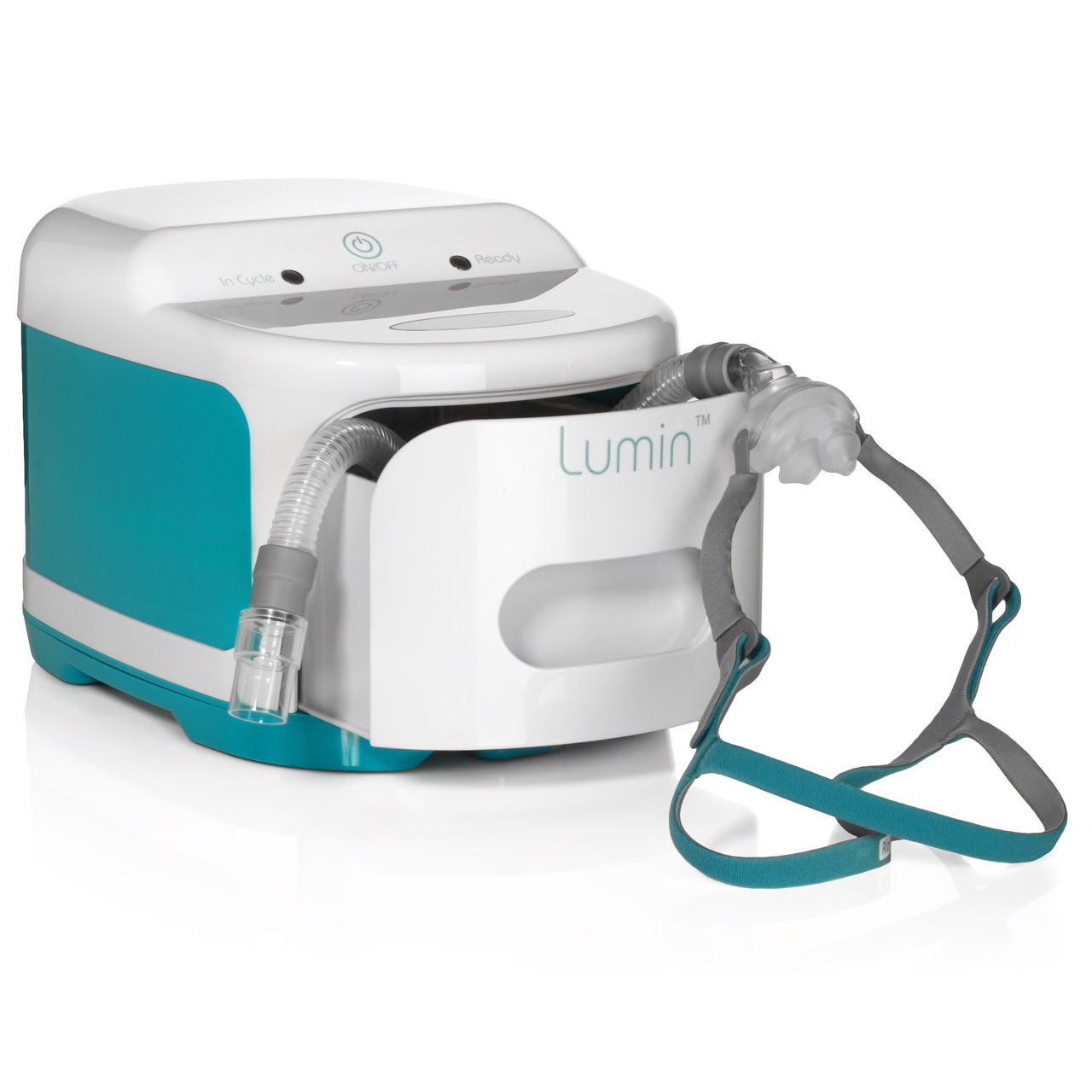
Tired of manually cleaning your CPAP machine? CPAP cleaning machines are just as effective! We've compiled a list of the best ones for you.

Popular Search Terms
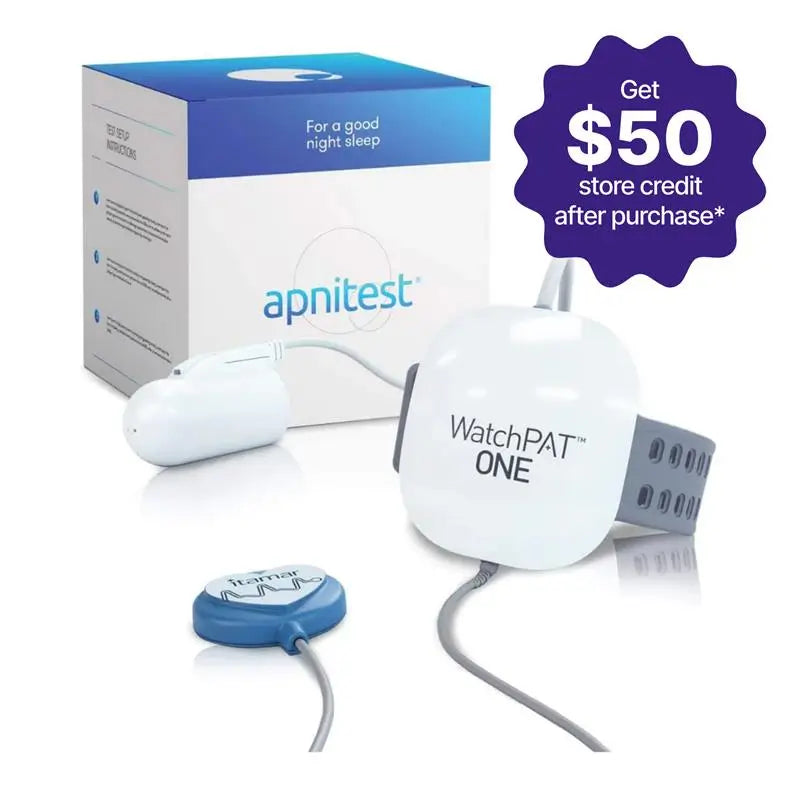
WatchPAT One Home Sleep Test

Disposable device

Measures true sleep time

1 night of testing

Rx Included with Diagnosis
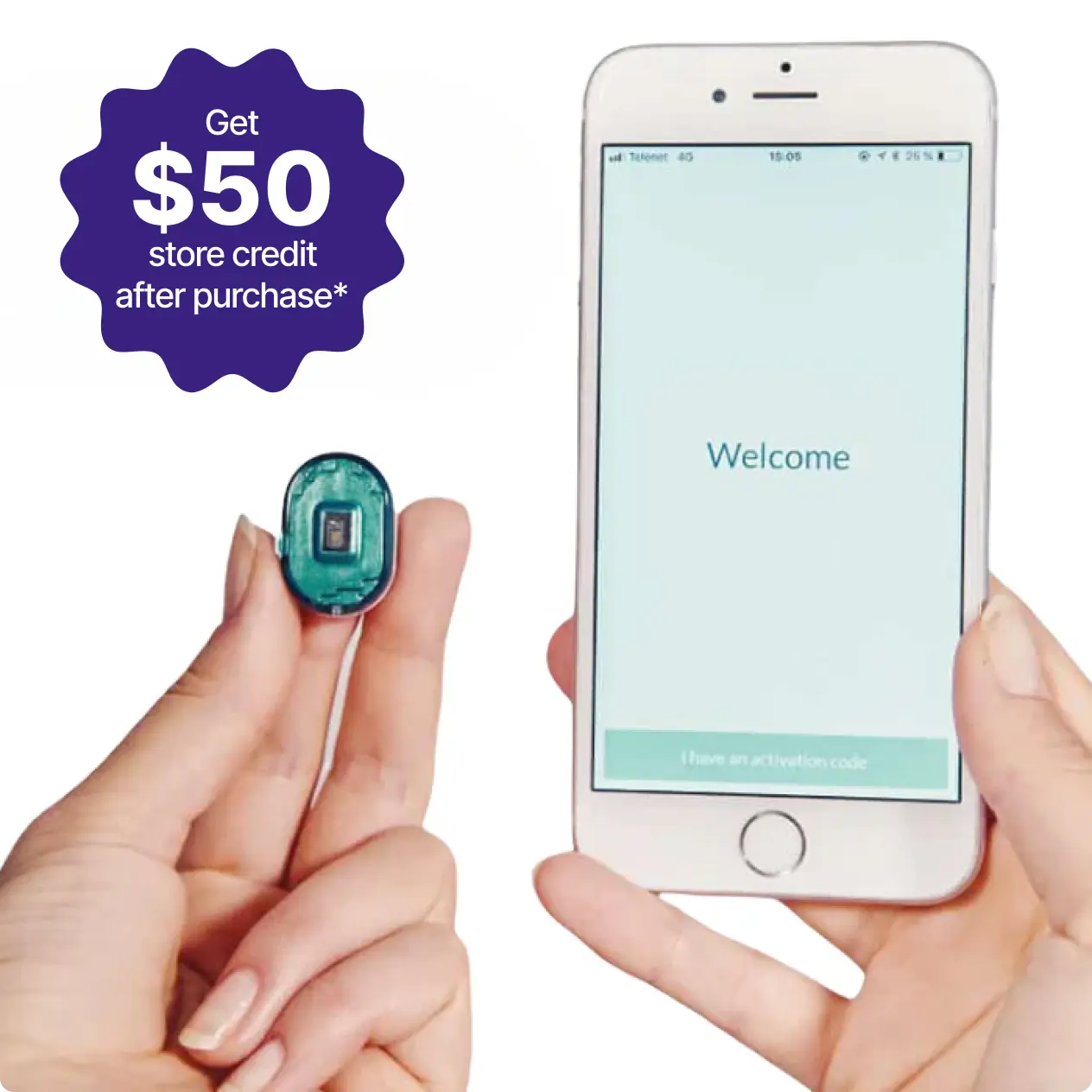
NightOwl Home Sleep Test
Disposable device
Monitors breathing & O2
Up to 2 test nights
Rx Included with Diagnosis

“Super easy to set up and to test in the comfort of your own home at an affordable price.”

Full Face Masks
Covers both the nose and mouth to deliver pressurized air.

Nasal Masks
Ideal for individuals who prefer to receive positive air pressure through the nose.

Nasal Pillow Masks
Minimal and non-invasive that seals nostrils through cushioned inserts.

Fit Packs
Bundles of different sized cushions, nasal pillows, and other mask components.

Auto Adjusting
Use advanced technology to dynamically adjust air pressure during sleep.

Travel CPAP Machines
Compact and lightweight devices designed for travelers .

Bilevels & BiPAP
Deliver two way pressure during inhalation and exhalation.

AirMini Accessories
Travel cases, filters, power adapters, and tubing to enhance performance.

Micro Accessories
Shop Micro humidification, batteries, and more in our accessories.

Transcend Micro Bundles
Compact and lightweight devices designed for travelers.

AirSense 11 Bundles
The complete setup to get started with the AirSense 11 at an exceptional value.

AirSense 10 Bundles
Auto-adjusting pressure device with integrated humidifier and wireless communications.

AirMini Travel Bundles
Hit the skies with the ResMed AirMini and don't miss your therapy on the go.

Cushions & Pillows
Replace your cushions and pillows to prevent air leaks and skin irritation.

CPAP Filters
Disposable and reusable filters are essential for clean and effective CPAP therapy.

Humidifiers
Make CPAP therapy more comfortable by adding moisture and preventing dryness.

Hoses & Tubing
Select from different lengths and heated options to reduce condensation.

Headgears
Secure a comfortable fit with headgear replacement as they stretch and wear out.

CPAP Distilled Water
Maintain your CPAP humidifier chamber free of bacteria and mineral deposits.

CPAP Frames
Refresh your mask frame to keep a secure and comfortable seal.

CPAP Cleaning
Advanced cleaning equipment and supplies to sanitize your devices.

Power Solutions
Power up your CPAP devices through the night anywhere you go.

CPAP Pillows
Make space for your CPAP mask to sleep comfortably through the night.

CPAP Mask Liners
Prevent skin irritation and noisy air leaks.

Chinstrap
Reduce dry mouth, snoring, and air leaks that cause discomfort.

Portable Concentrators
Take your oxygen therapy on the go with smaller and lightweight concentrators.

Stationary Concentrators
The latest advancements in stationary oxygen therapy support.

Oxygen Therapy Accessories
Find nasal oxygen cannulas, portable batteries and more.

Nebulizers
The best nebulizer devices for all your respiratory needs.
Recent Articles

Award Winning Support

Rewards Points

2-Year Warranty

Dream now, pay over time

60-Night Risk Free

Price Match Guarantee
Award Winning Support
Rewards Points
Keeping CPAP equipment clean is essential for safe and consistent therapy. This collection features cleaning supplies that remove moisture, oil, and residue from masks, tubing, and humidifier chambers to help prevent irritation and maintain proper airflow. Choose from daily and weekly cleaning options, including gentle soaps, pre-moistened wipes, tube and mask brushes, and automatic cleaning machines. Each product supports better hygiene, longer equipment lifespan, and reliable performance night after night.
This collection includes a variety of options to clean daily or weekly, depending on your routine—wipes, brushes, soaps, and automatic cleaning devices, all made to support consistent and effective maintenance.
Showing 1 of 1 products
1 Products

Tired of manually cleaning your CPAP machine? CPAP cleaning machines are just as effective! We've compiled a list of the best ones for you.

Keeping your CPAP machine & equipment clean is very important for your health and hygiene. Explore 2 great options in a head to head comparison...

Which CPAP cleaner should I buy? Read our 3B Lumin CPAP cleaner review to discover the pros and cons of buying this high powered UVC sanitizing sys...