A nebulizer machine for kids is a medical device that turns liquid medication or sterile saline into a fine mist that a child inhales through a mask or mouthpiece to treat breathing conditions like asthma, bronchitis, or respiratory congestion. Pediatric nebulizers are designed to deliver consistent airflow at a safe rate, making treatment easier for infants, toddlers, and young children under medical guidance.
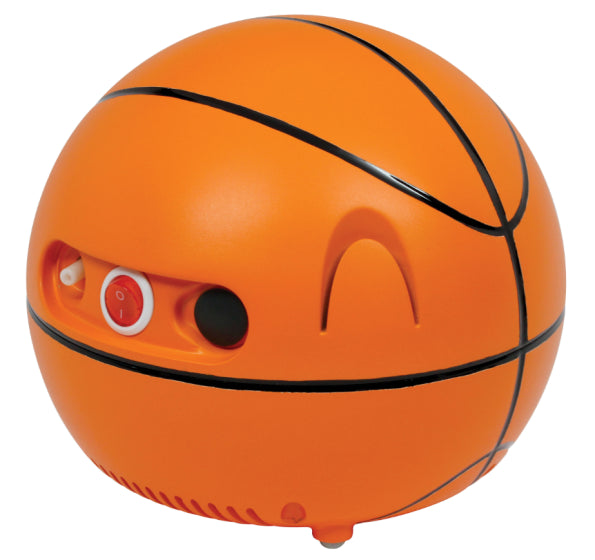
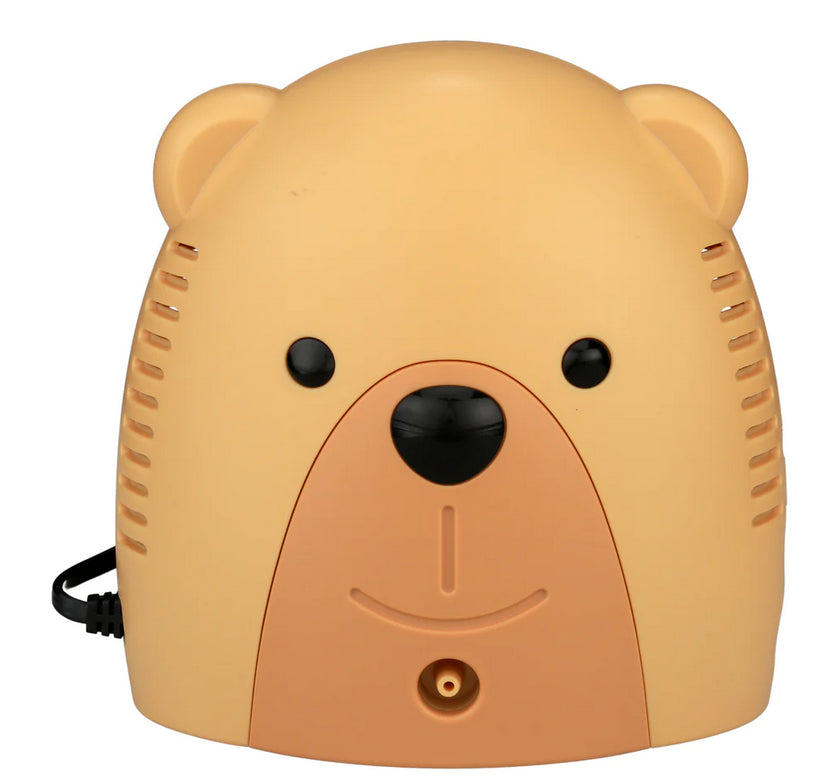
The best nebulizer for kids is typically a pediatric compressor nebulizer that delivers steady airflow, runs quietly, and includes a small, soft mask sized for children. Models shaped like animals or trains often help reduce anxiety during treatment, while medical-grade compressors ensure effective mist delivery for conditions such as asthma or recurring respiratory issues.
A nebulizer for children works by converting liquid medication or saline solution into a breathable mist that travels through a mask into the lungs. The mist helps open airways, loosen mucus, and improve breathing during respiratory treatments prescribed by a healthcare provider for conditions like asthma, wheezing, or upper airway infections.
Nebulizers are generally safe for infants and babies when used under pediatric supervision and with appropriate medication or saline solution. Pediatric masks and low-noise compressors help ensure gentle airflow while delivering treatment accurately, but parents should always follow a doctor’s instructions regarding frequency, duration, and medication type.
A nebulizer for kids is commonly used with prescribed medications such as bronchodilators or with sterile saline solutions to help relieve airway tightness and loosen mucus. The exact medication and concentration should always be determined by a pediatrician, as dosage and suitability vary based on the child’s condition and age.
How often a child should use a nebulizer depends on the specific medical condition and the treatment plan set by a healthcare provider. Some children require scheduled sessions during flare-ups, while others use it as needed for symptom relief, so frequency must always follow professional medical guidance.
Many nebulizer machines for kids can be purchased without a prescription, but the medications used inside them may require one depending on the treatment. It is strongly recommended to consult a pediatrician before starting nebulizer therapy to ensure the device and medication are safe and appropriate for the child.
A child can use a nebulizer at any age, including infancy, as long as the equipment and treatment plan are selected by a healthcare professional. Pediatric nebulizers with age-appropriate masks are designed to support safe and effective breathing treatment even for newborns under proper supervision.
Portable nebulizers for kids can be effective for mild to moderate respiratory treatments when they provide consistent airflow and fine particle mist delivery. They are often used for travel or quick sessions, but compressor nebulizers are typically preferred for longer or more intensive pediatric treatments recommended by doctors.
The cost of a nebulizer machine for kids usually ranges from approximately $30 to $100 depending on design, medical-grade compression, included accessories, and brand. Pediatric-themed models and advanced features may affect pricing, but insurance coverage may apply in some cases with proper medical documentation.
Yes. Pediatric nebulizer machines and accessories (mask, tubing, medication cup) generally qualify for FSA and HSA reimbursement when used to treat a diagnosed condition such as asthma or chronic cough. Parents should keep the prescription and itemized receipt in case their plan administrator requests documentation.
Most insurance plans cover a pediatric nebulizer when prescribed for a medical condition and billed as durable medical equipment. Coverage varies by provider and may limit the purchase to specific suppliers or models. It’s helpful to verify copays, prior authorization requirements, and replacement rules with the insurer.
Insurance sometimes covers replacement parts—such as tubing, masks, and medication chambers—if the child has an active prescription and the items are classified as medically necessary. The frequency of replacement depends on each plan’s policy, and some insurers only reimburse items purchased through in-network suppliers.
Children’s nebulizers can be purchased at medical equipment stores, select pharmacies, and durable medical equipment providers that work with insurance plans. Many families also order online from specialized retailers like Sleeplay, which offer pediatric nebulizer machines with home delivery, clearer product details, and access to models designed specifically for children.
Buying online can be safe when the retailer sells FDA-listed medical devices and provides clear manufacturer information. Parents should avoid unverified or toy-like devices not intended for medical use. A pediatrician’s recommendation helps confirm that the selected nebulizer delivers appropriate airflow and treatment support.