Skip to content
Need Help Sleeping? Call us. 1-844-451-6555
Up to 40% OFF Sitewide

sign up & access prices you’ve never seen before!

Icon

Award Winning Support

Icon

Rewards Points

Icon

2-Year Warranty

Icon

Dream now, pay over time

Icon

60-Night Risk Free

Icon

Price Match Guarantee

Icon

Award Winning Support

Icon

Rewards Points

Magnet Free

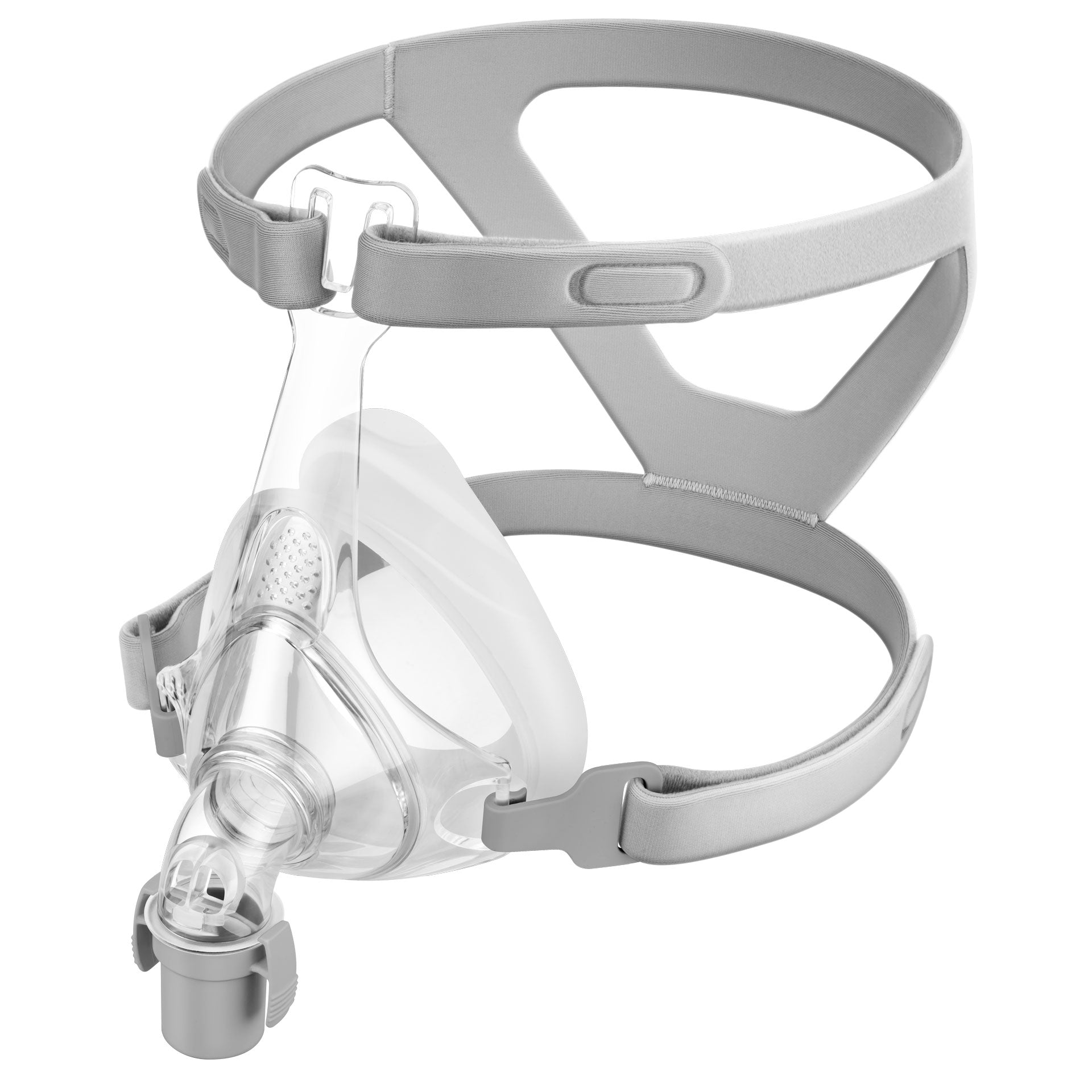
Magnet-free CPAP masks are versions of standard CPAP masks that use plastic buckle clips instead of magnetic connectors. Some CPAP masks include small neodymium magnets in the headgear clips to make them easier to snap on and off, a useful feature for most people, but a concern for anyone with a pacemaker, an implantable cardioverter-defibrillator (ICD), or a cochlear implant. Magnets placed close to these devices can temporarily interfere with how they function.

The masks in this collection contain no magnetic components. Fit, seal, and therapy delivery are the same as their standard counterparts,only the connector mechanism is different.

Note: Magnet-free does not mean MRI-safe. Check the specific mask's IFU document or consult your care team before any MRI procedure.

Read More

Showing 1 of 1 products

1 Products

Filters

UP TO 40% OFF

App Exclusive Deals!

Download Our App & Shop CPAP Machines, Masks & More.

Magnetic CPAP Masks FAQ

What is a magnetic CPAP mask?

Some CPAP masks use small neodymium magnets in the headgear clips or frame connector to make the mask easier to put on and take off. Instead of pressing a plastic buckle, the pieces snap together automatically. ResMed introduced this design around 2016 in masks like the AirFit N20 and AirFit F20. The magnets serve no role in therapy — they only affect how the mask attaches to the headgear.

Can I use a CPAP mask with magnets if I have a pacemaker?

No. Magnetic CPAP masks should not be used by people with pacemakers or ICDs. When a magnet comes within roughly 6 inches (15 cm) of a pacemaker, it can trigger "asynchronous mode," causing the device to pace at a fixed rate instead of tracking the heart's natural rhythm. For ICDs, a nearby magnet can suppress shock therapy delivery. Since CPAP masks are worn directly on the face during sleep, the magnets in the headgear sit close enough to chest-implanted devices to cause this response.

Do CPAP mask magnets affect cochlear implants?

They can. Cochlear implants have an internal magnet that holds the external processor against the scalp. External magnets from nearby objects — including CPAP headgear clips — can pull against this, causing the processor to detach during sleep. In some cases, repeated magnetic exposure can affect the implant's internal magnet over time. If you have a cochlear implant, ask your surgeon or audiologist which CPAP masks are safe to use with your specific device.

Which CPAP masks don't have magnets?

ResMed makes non-magnetic versions of several of its most popular masks: the AirFit F20, AirFit N20, AirFit F30i, and AirTouch F20 are all available in non-magnetic variants. These are sometimes labeled "non-magnetic" or "for pacemaker users" on the product page. Fisher & Paykel's Vitera and Eson 2 masks do not use magnetic connectors. Most older CPAP mask designs predate the magnetic clip trend and don't contain magnets at all.

Is a magnet-free CPAP mask the same as an MRI-safe mask?

No, these are two different things. A magnet-free mask has no magnetic clips, but it may still contain metal components — metal springs, wire frames, or foil in the headgear — that are not safe inside an MRI scanner. Before an MRI, do not rely on "magnet-free" labeling to determine compatibility. Check the specific mask's Instructions for Use (IFU) document for an explicit MRI safety statement, or remove the mask entirely before entering the scanner.

What's the difference between a magnetic and non-magnetic version of the same mask?

Only the headgear connector. Magnetic versions snap together; non-magnetic versions use plastic buckle clips. The cushion, frame geometry, seal, and pressure delivery are identical. Switching from one version to the other does not affect therapy. Both versions use the same replacement cushions and headgear parts.

My doctor told me to avoid magnets. How do I know if my current CPAP mask has them?

Check the mask's product page or manual for terms like "magnetic clips," "EasyClasp," or "ErgoFit magnetic connection." If you have a ResMed AirFit N20, F20, F30i, or AirTouch F20 purchased after 2016, assume it has magnets unless the listing specifically says "non-magnetic." When in doubt, contact the manufacturer directly with the model number and ask whether magnetic components are present.

Our CPAP Experts are here to help you.

With exclusive deals, recommendations, or support at any step of your CPAP journey.

  • Icon Text Us
Chat Now
Bryan S.
Daniel F.
Gabriel G.
Lilly
Iara R.

"There’s nothing better than hearing a customer say, ‘I finally feel rested again."

"Every CPAP journey is unique, and we love helping users find solutions that work for them."

"I love helping patients find the right CPAP setup—better sleep makes a huge difference."

"Having questions is a normal part of the CPAP journey. We’re here to help every step of the way"

“At Sleeplay.com, I’m proud to support customers on their health journey by making sure they have access to the right tools for better sleep and breathing.”

Questions? - Call Us!: (844) 841-6555